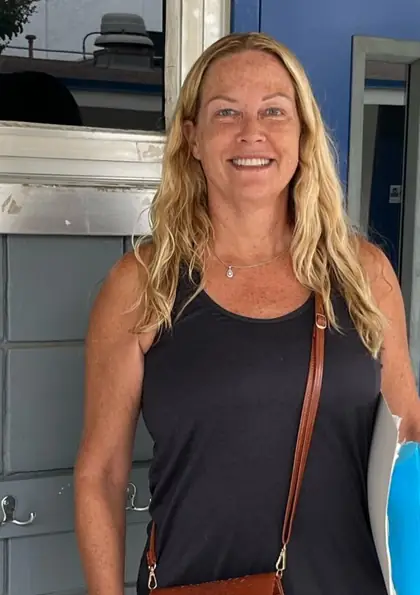
As a former Reading Intervention Teacher, one of the things I hear most from parents is, "I knew something wasn't quite right, but I wasn't sure what to look for." Dyslexia can be easy to miss in the early grades, especially in bright, verbal kids who work hard to keep up. The good news is that the earlier it's spotted, the sooner a child can get the kind of teaching that works for them.
Here's what dyslexia is, the signs I watch for at each stage of elementary school, and what to do next if some of them sound familiar.
What is dyslexia?
The International Dyslexia Association describes dyslexia as a specific learning disability that is neurobiological in origin. Children with dyslexia have trouble reading words accurately and fluently, and with spelling and decoding, usually because of difficulty with the sound structure of language.
Two things are important to know. First, dyslexia has nothing to do with intelligence. Many children with dyslexia are curious, creative and great at conversation. Second, with the right instruction, kids with dyslexia can absolutely become strong readers.
Early signs in kindergarten and 1st grade
- Trouble learning letter names and the sounds they make, even with lots of practice
- Difficulty rhyming, or hearing that "cat" and "hat" sound alike
- Struggling to break a word into its sounds (c-a-t) or blend sounds into a word
- Mixing up sounds in longer words, like "pasghetti," well past preschool
- Having a hard time remembering common sight words from one day to the next
- A family history of reading difficulties
Signs in 2nd and 3rd grade
- Reading slowly and with a lot of effort, word by word
- Guessing at words based on the first letter or the picture
- Skipping or swapping small words like "of," "the" and "was"
- Spelling the same word several different ways on one page
- Understanding a story well when it's read aloud, but not when reading it alone
- Avoiding reading aloud, or getting tired and frustrated quickly with reading homework
Signs in 4th through 6th grade
This is when school shifts from learning to read to reading to learn, so difficulties that were hidden can suddenly show up in every subject.
- Stumbling over longer words like "unbelievable" or "photosynthesis"
- Reading accurately but very slowly, so tests and assignments take much longer
- Written work that is much weaker than what your child can explain out loud
- Ongoing spelling trouble, even with words they've practiced
- Math word problems feeling hard because of the reading, not the math
- Saying they "hate reading" or feeling like they're "not smart"
Keep in mind: One or two of these signs on their own doesn't mean a child has dyslexia. Every child develops differently. What matters is a pattern that continues over time, even when your child is getting good classroom instruction.
What to do if you notice these signs
1. Talk with your child's teacher
Ask what they're seeing in class and how your child's reading compares with grade-level expectations. Teachers often have screening results and work samples that give a clearer picture.
2. Ask about screening and evaluation
California now requires public schools to screen students in kindergarten through 2nd grade for risk of reading difficulties, including dyslexia. Ask your school for your child's results. If you're concerned, you can also request an evaluation for special education services in writing. A formal diagnosis comes from a qualified professional, such as a school psychologist or licensed evaluator.
3. Don't wait to start helping
You don't need a diagnosis to start giving your child the right kind of reading instruction. Research consistently shows that explicit, systematic teaching of sounds and phonics helps struggling readers, and structured, multisensory approaches like Orton-Gillingham were designed with kids with dyslexia in mind.
4. Protect your child's confidence
Kids who struggle with reading often decide they aren't smart. Tell your child that their brain learns to read in its own way, and that with the right practice it will get easier. Keep reading aloud together just for fun, so books stay something to enjoy.
How I can help
I'm an Orton-Gillingham certified teacher and former Reading Intervention Teacher, and I work one-on-one with K–6 students who find reading hard, with or without a formal diagnosis. I don't diagnose dyslexia, but I can pinpoint where your child's reading is breaking down and build lessons to close those gaps. Learn more about my dyslexia tutoring, or reach out to talk about your child.
I tutor in person in Agoura Hills, Calabasas, Westlake Village, Oak Park, Thousand Oaks, Simi Valley, Woodland Hills and Encino.